

Architecture
Sustainability Moves to the Centre of Development
January 21, 2026

Dozens of new hotels are planned to meet Dubai's tourism targets. How hotel supply affects investors in hotel apartments and short-term rentals.
Director of Research
Previously with Knight Frank's Global Research team. Michael brings deep expertise in cross-border capital flows and emerging market real estate dynamics.
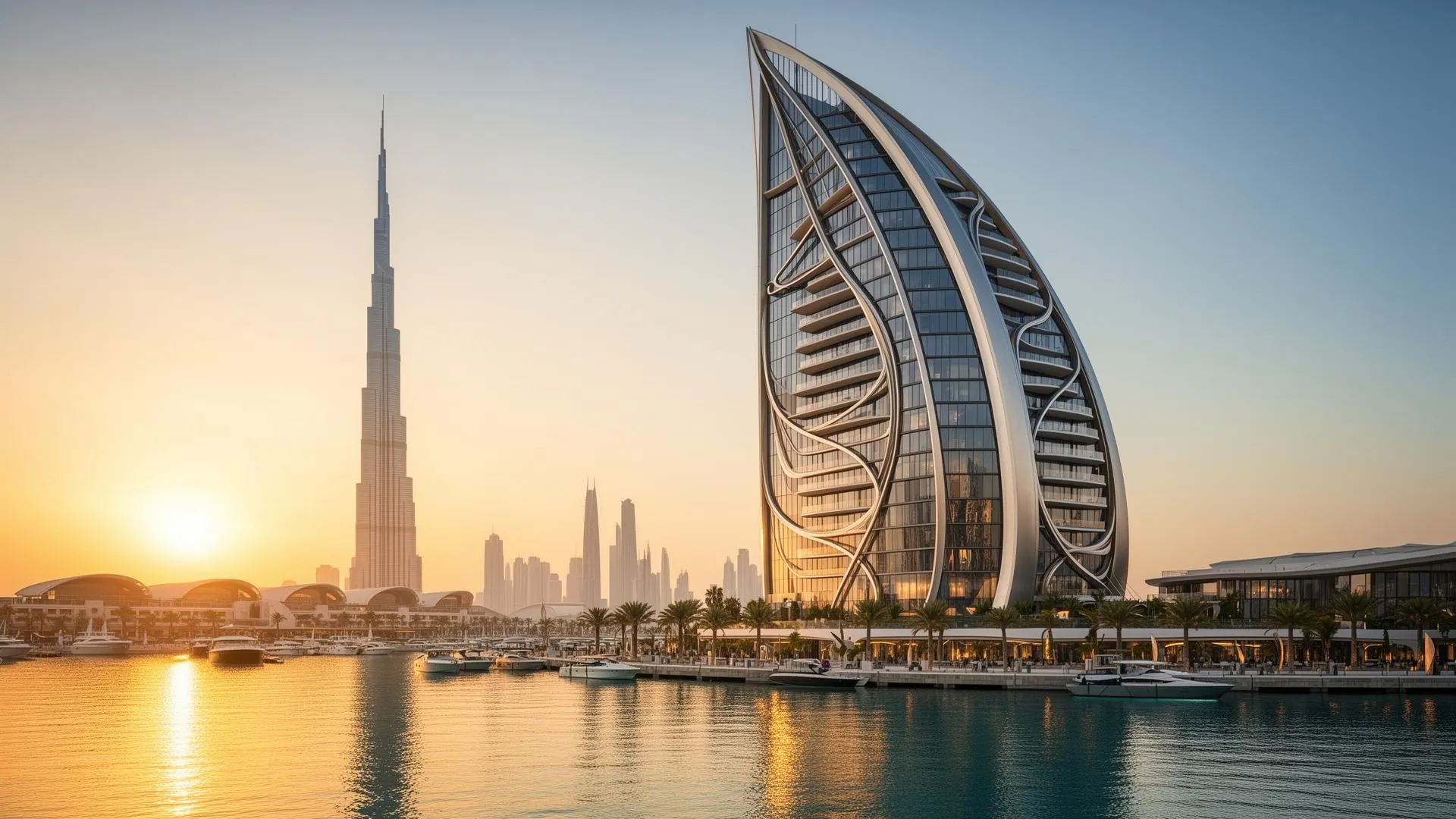
Dubai's tourism ambitions are matched by an extraordinary hotel pipeline. Dozens of new hotels are under construction or planned, from budget properties to ultra-luxury resorts on the Palm and in Downtown. The city aims to welcome far more visitors in the coming years, and it is building the rooms to accommodate them.
Hotel apartments, which combine hotel services with residential space, are popular with business travellers and families on longer stays. New supply can create competition, potentially affecting occupancy and rates for existing properties.
Owners of apartments and villas who rent to holiday visitors compete with hotels. A large increase in hotel rooms could put pressure on short-term rental rates, particularly in periods of lower demand.
New hotels also bring amenities, jobs and visitors to their surrounding areas, supporting demand for residential property nearby. Resort hotels on the Palm and the coast enhance those areas' appeal.
Investors should monitor visitor numbers, hotel occupancy and average room rates. If supply grows faster than visitors, the hospitality sector may become more competitive.
Dubai's hotel pipeline reflects confidence in tourism, but investors in hospitality-related property should be mindful of rising competition and focus on quality and location.
