

Investment Strategy
Tourism Growth and Holiday Home Investment
February 2, 2026

Hotel and luxury brands are lending their names to residential towers. What a brand adds to an apartment, and how buyers should value it.
Senior Investment Advisor
CFA charterholder with expertise in alternative investments. Fatima has structured over AED 5 billion in real estate investment vehicles for institutional clients.
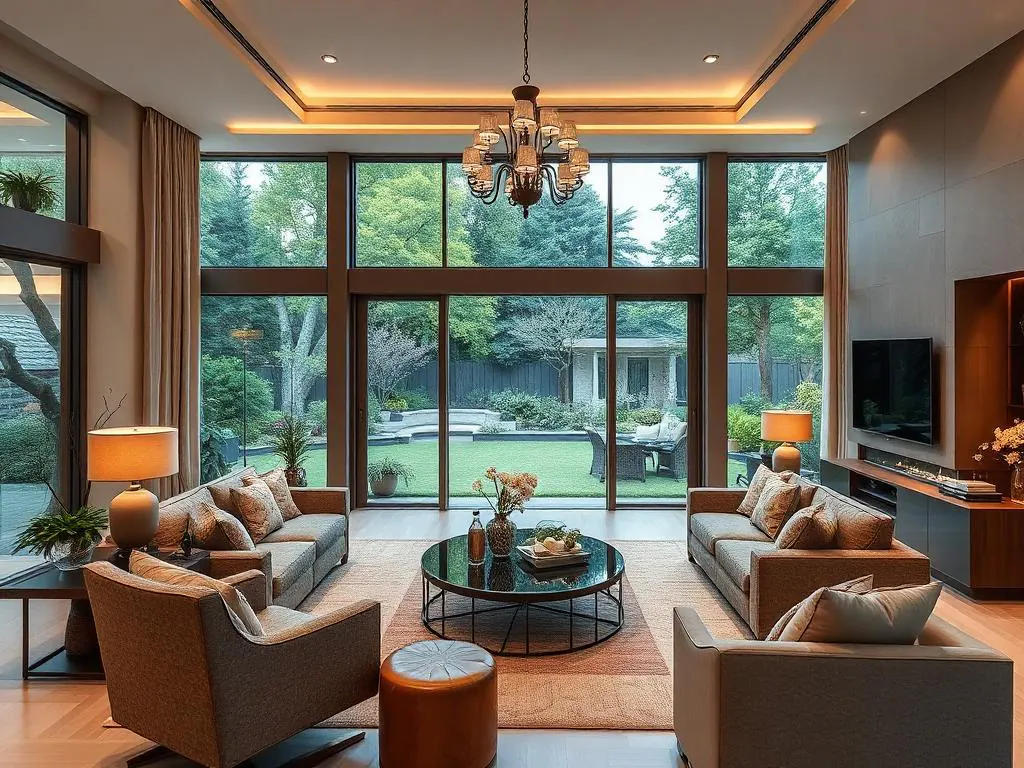
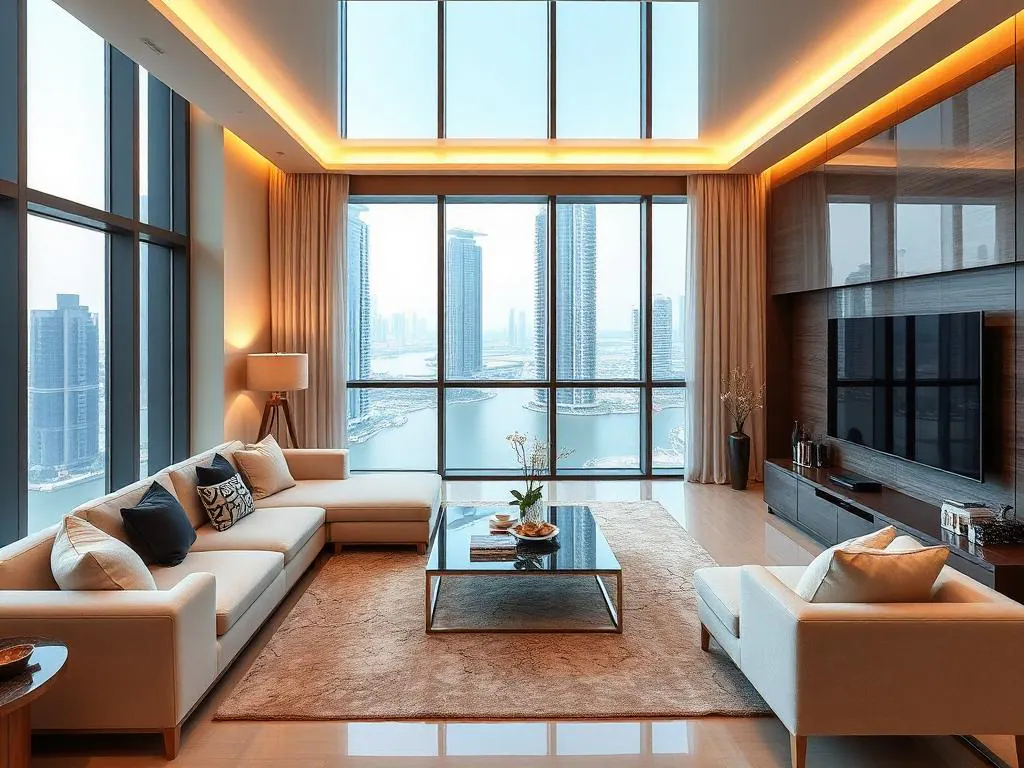
A new kind of product is appearing in Dubai's luxury market: residences carrying the name of a hotel or luxury brand. Projects such as Dubai Pearl, planned near Dubai Media City, combine apartments with hotels and amenities under prestigious names. For buyers, the appeal is clear: the promise of hotel-style service, a recognised standard of quality and an address with international cachet.
Branded residences typically sell at a premium to comparable unbranded apartments. Buyers pay for the services, the assurance of quality and the association with a brand they know. For international buyers who will not live in the property full-time, professional management is especially valuable.
Buyers should understand exactly what the brand provides and for how long. Is the brand operating the building, or merely licensing its name? What services are included, and what do they cost? What happens if the brand agreement ends? Service charges in branded buildings are often higher, reflecting the level of service.
Branded residences can attract premium tenants and short-stay guests, but higher service charges reduce net returns. Investors should model income after all costs, and understand the terms of any rental programme.
The value of a brand depends on its continued association with the property and on the brand's reputation over time. Buyers should consider how the property would perform if the brand changed or left.
Branded residences are a natural addition to Dubai's luxury market and can offer real benefits. Buyers should value the services and quality, not just the name, and read the agreements carefully.

