
Luxury Living
Business Growth and Demand for Homes
January 9, 2026
Already the world's tallest structure, the tower is approaching its final height. What its completion will mean for Downtown and its residents.
Chief Economist
PhD from London School of Economics. David's macroeconomic forecasts have guided institutional investors through three market cycles in the Gulf region.
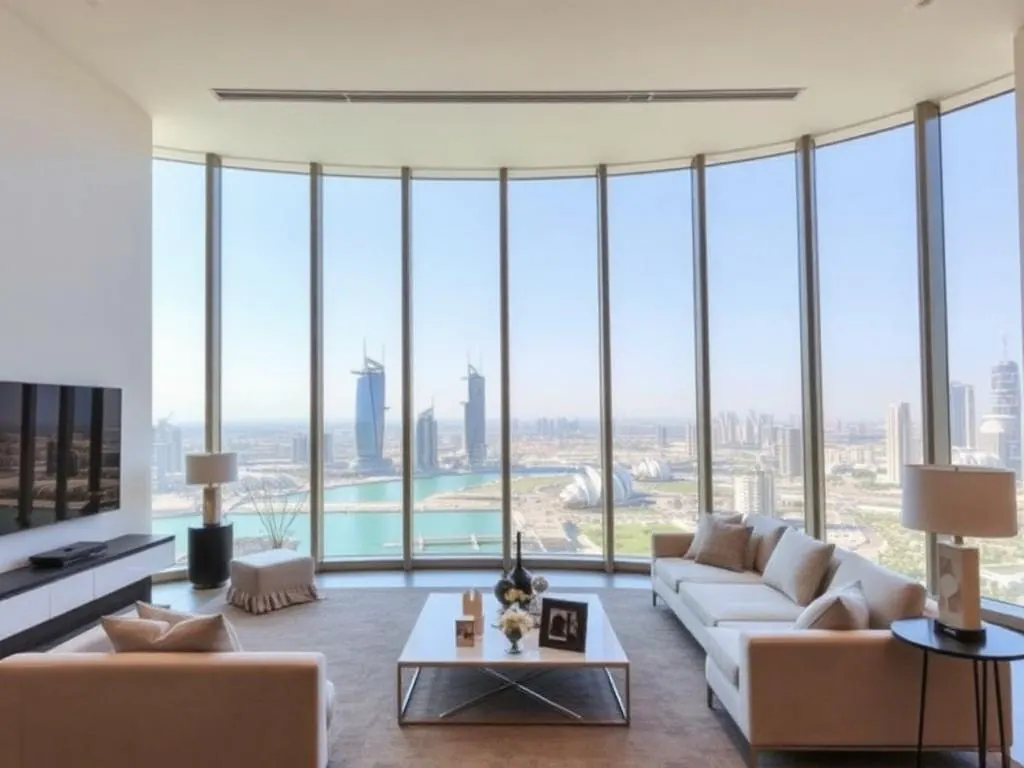
Burj Dubai is now the tallest structure in the world, and its spire continues to rise towards a final height that Emaar has kept closely guarded. Around it, Downtown Dubai is filling in: residential towers are occupied, the boulevard is taking shape and The Dubai Mall is nearing completion. The district is moving from construction site to city centre.
The tower's height has already attracted worldwide attention. When it is completed and opens to the public, it is likely to become one of the most visited buildings anywhere, drawing tourists to Downtown and reinforcing Dubai's image as a city of extraordinary ambition.
Completion of the tower and the mall will bring visitors, shops, restaurants and entertainment, transforming daily life for residents. It will also make Downtown easier to market to international buyers and tenants.
Apartments with views of the tower and the fountain are likely to remain the most sought-after. Buyers should also consider building quality, management and service charges, which vary across the district.
Downtown includes many apartment buildings, and more are planned. As the district completes, competition among landlords and sellers may increase. Distinctive units, with the best views and layouts, are best placed to hold their value.
Burj Dubai is fulfilling its role as the centrepiece of a new city centre. For long-term owners in Downtown, its completion should strengthen the district's appeal for years to come.

