

Area Guide
Healthcare Growth and Where People Live
January 13, 2026

Prime villas and apartments in established locations have shown more resilient demand. The characteristics that make luxury property outperform.
Chief Economist
PhD from London School of Economics. David's macroeconomic forecasts have guided institutional investors through three market cycles in the Gulf region.
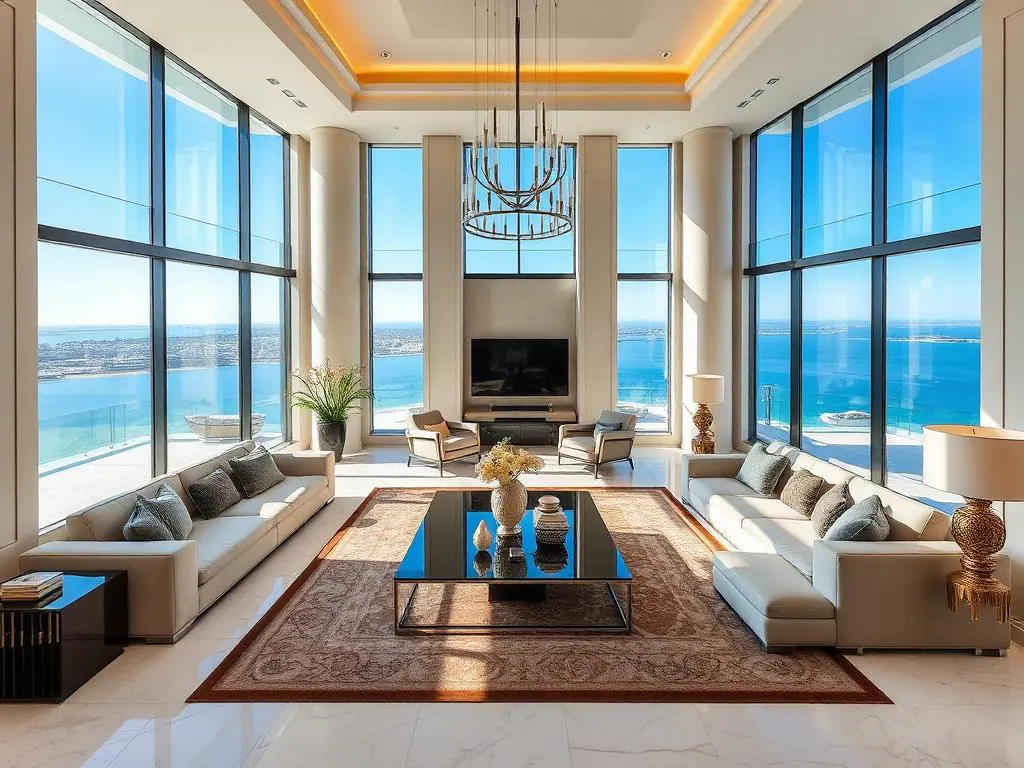
Across Dubai's freehold market, one pattern has become clear: properties in the very best locations, with exceptional views and quality, attract the most consistent demand. Prime villas on Palm Jumeirah and in Emirates Hills, and the best apartments in Downtown and the Marina, have proved particularly resilient. Understanding why helps investors choose well.
Buyers of prime property tend to be wealthier and less dependent on borrowing, making them less sensitive to changes in credit conditions. Demand comes from a global pool of high-net-worth individuals, rather than a narrow local market. And scarcity means there is less competition from new supply.
Prime property is expensive, and its high prices can limit the pool of buyers. Yields are often lower than in mid-market properties. In a severe downturn, even prime property can fall in value, though it often recovers more quickly.
Marketing often describes properties as "luxury" or "prime" regardless of their real qualities. True prime property is defined by its location and scarcity, not by its brochure. Investors should ask whether a property's key features could be replicated nearby.
Prime property can provide stability in a portfolio, complementing higher-yielding mid-market investments. Its role is long-term capital preservation rather than quick gains.
We believe genuinely prime property in Dubai will continue to attract strong demand over the long term. For clients who can afford it, it offers a compelling combination of lifestyle and resilience.
