
Regulatory Update
New Schools and Universities Shape Demand
February 2, 2026
Towers combining offices and apartments, such as The Index, are bringing residential life into DIFC. What buyers should know about mixed-use buildings.
Head of Private Clients
Specializing in family office advisory and multi-generational wealth transfer. Victoria manages relationships with 50+ UHNW families across 15 countries.
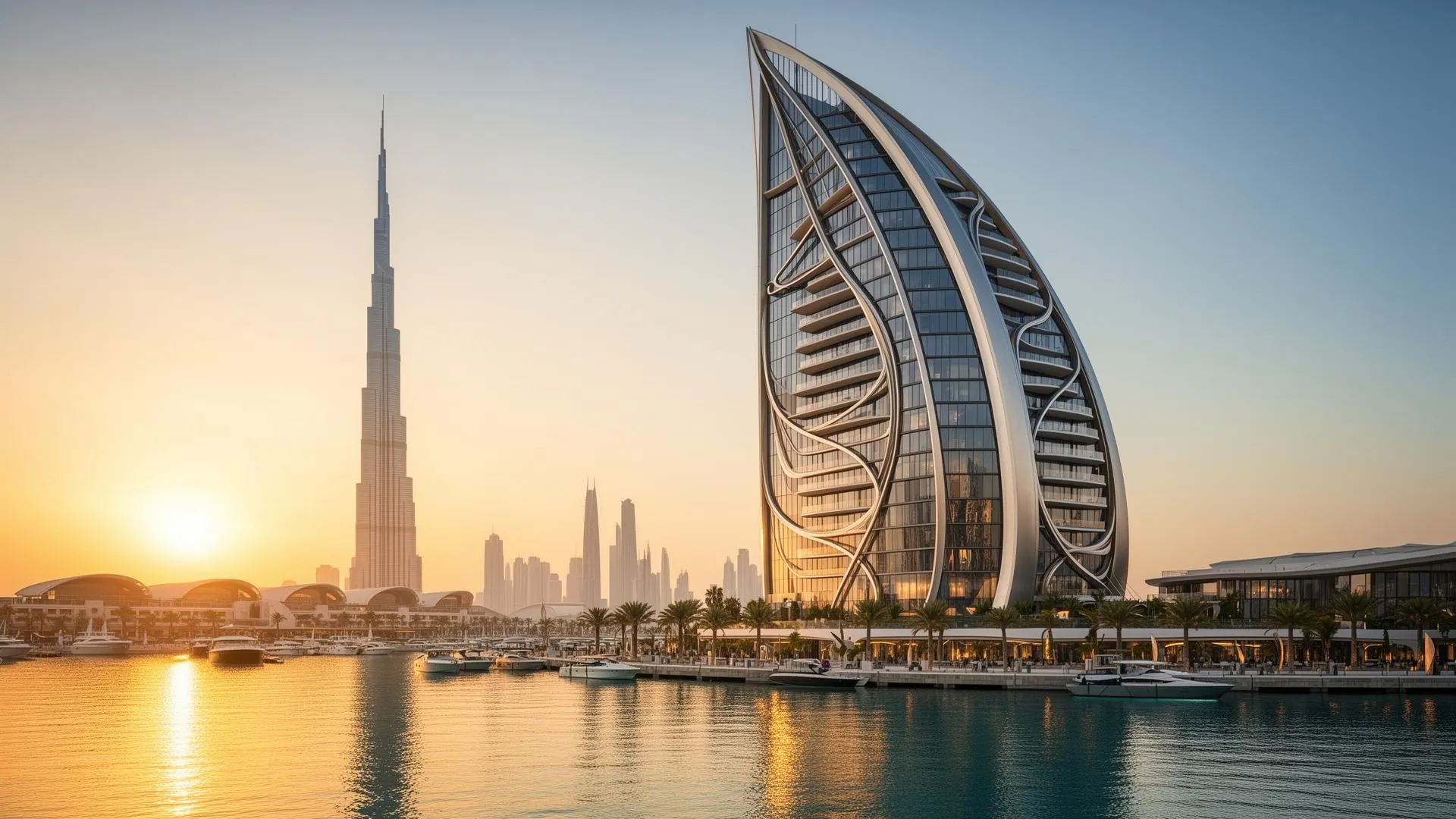
One of the most notable launches in DIFC is The Index, a tall tower designed to combine offices on its lower floors with apartments above, offering residents the chance to live within the financial centre itself. It represents a broader trend in Dubai towards mixed-use buildings that bring homes into business districts.
Mixed-use towers require careful design to separate residential and office uses, with dedicated lobbies, lifts and parking. Service charges must be allocated fairly between components. Buyers should understand how the building will be managed and how costs will be shared.
Apartments in a financial-centre tower are likely to appeal to senior professionals who value convenience and prestige, as well as investors seeking tenants from the financial sector. Families may prefer larger homes elsewhere.
As with other landmark towers, buyers should consider the view, the floor, the layout and the timeline. Living in a business district can mean quieter evenings and weekends unless the area develops a strong leisure offering.
Landmark towers by respected architects and developers tend to retain their appeal, especially in central locations. As DIFC grows, homes within it could become a distinctive niche in Dubai's market.
Mixed-use towers in DIFC offer a new way to live in Dubai. They suit buyers who value convenience and prestige, and investors targeting financial professionals, provided they understand the management and cost structure.
